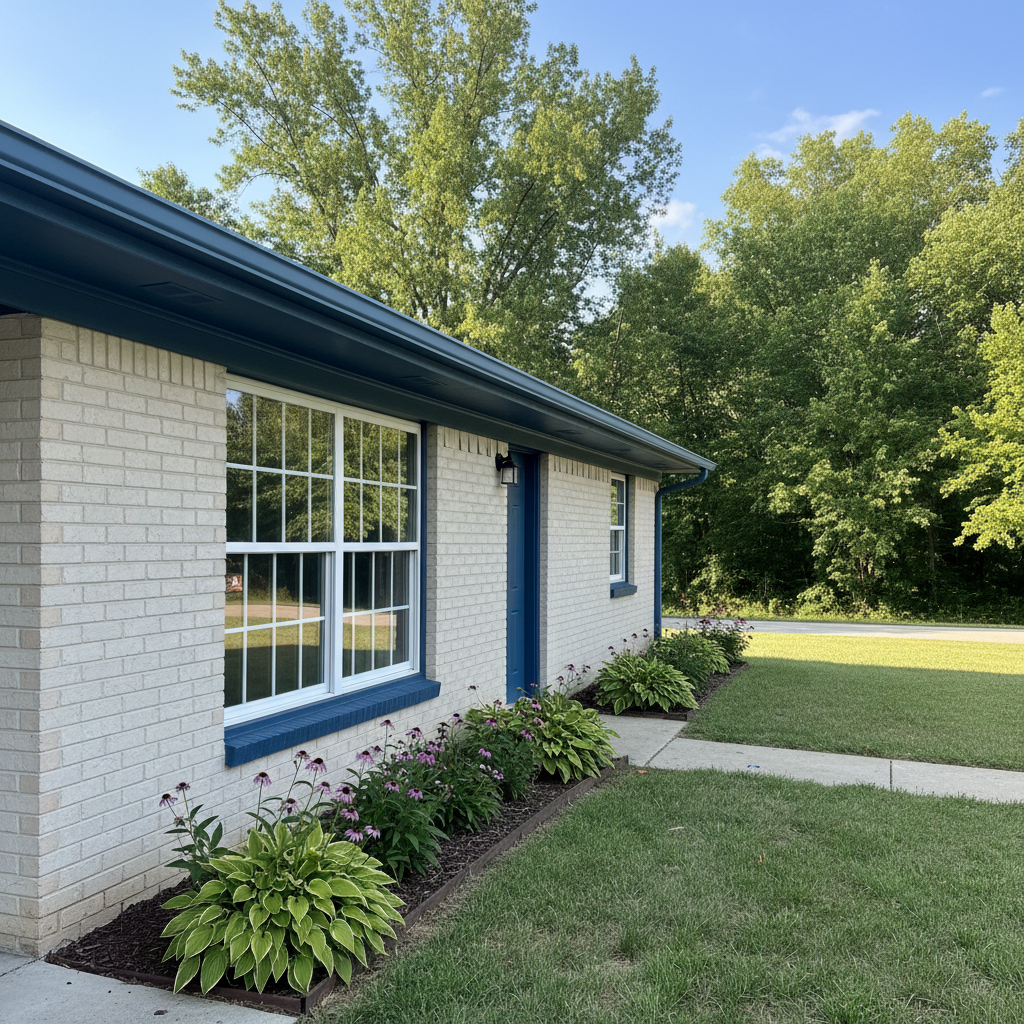
So, you've put storm windows on your Pittsburg home. Maybe you got them from Sunrise Window Installation Co, or maybe from someone else – doesn't really matter. Either way, that was a smart move, especially given our Kansas weather. We're talking brutal summer heat that bakes everything, then winter rolls in with icy winds and sometimes even hail. Your storm windows are working hard to keep energy bills down and your home comfy, but here's the thing: they're not a "set it and forget it" kind of deal. Just like anything else on your house, they need a little attention to truly last.
Making Your Storm Windows Last Longer
The single biggest thing you can do to extend the life of your storm windows is to treat them right. That means, for starters, don't force them open or closed if they're sticking. If you're wrestling with a sash, stop! Figure out what's going on. It could be something simple, like a bit of grit in the track, or maybe the house has settled a tiny bit over time, shifting the frame. Forcing it just bends things, and let's be honest, bent aluminum or vinyl isn't going to seal as well.
Another huge one? Cleaning. I know, I know, nobody jumps for joy at the thought of cleaning windows. But dirt, dust, and pollen really build up, especially in those tracks. Here in Southeast Kansas, we get a lot of agricultural dust and that distinctive red clay in the air, which can really gum things up. This grime acts like sandpaper on moving parts, and it can trap moisture, leading to corrosion or mildew. Seriously, a simple wipe-down just a couple of times a year can save you a lot of headaches down the road.
Regular Maintenance: What to Check For
You don't need some complicated checklist for this; just take a good look a couple of times a year. Maybe in the spring, after the pollen explosion, and again in the fall, before the real cold hits. Here's what I usually tell folks:
- Clean the Tracks and Frames: Grab a brush or a vacuum with a narrow attachment to suck up loose dirt. Then, take a damp cloth with a mild soap solution and wipe down the tracks and frames. Make sure they're good and dry, especially if you've got older aluminum frames that can corrode.
- Check the Glass and Screens: Look for any cracks or chips in the glass. Small chips can turn into big cracks when temperatures swing. For screens, check for tears or holes. A ripped screen isn't doing much to keep bugs out, and it's letting more debris into your window tracks, too.
- Inspect the Weatherstripping and Seals: This is super important for keeping your energy bills in check. Run your hand along the seals. Do you feel any drafts? Is the weatherstripping brittle, cracked, or missing in spots? If it's not sealing tight, you're basically throwing money out the window on heating and cooling.
- Test the Operation: Open and close each storm window. Do they slide smoothly? Do the locks engage properly? If they're stiff, try a silicone-based lubricant on the tracks (never use oil-based lubricants, by the way; they just attract more dirt).
Oh, and don't forget the caulking around the exterior frame where it meets your house. Our crazy temperature swings here in Pittsburg can really stress caulk, causing it to crack or pull away. If you see gaps, that's an open invitation for water and drafts.
Warning Signs of Trouble
Your storm windows usually tell you when something's wrong, if you're paying attention. Keep an eye out for these red flags:
- Increased Drafts: If you're suddenly feeling a chill near a window that used to be sealed tight, that's a clear sign your weatherstripping or seals are giving up.
- Condensation Between Panes: This means the seal on the storm window itself has failed, and moisture is getting in. Once that happens, its insulating properties are pretty much shot.
- Difficulty Operating: If a window is consistently hard to open, close, or lock, something's out of alignment or seriously gunked up. Don't just ignore it.
- Visible Damage: Obvious cracks in the glass, bent frames, or significant gaps in the caulking around the frame are all things that need addressing, pronto.
- Higher Energy Bills: If your utility bills start creeping up without any change in how you're using things, your windows might just be part of the problem.
When to Call a Pro
Look, a lot of this maintenance you can totally handle yourself. But there are definitely times when it's just better to call in someone who does this every single day. If you're seeing persistent condensation between the panes of your storm window, for instance, that's usually a job for a pro. You can't just wipe that away. If a frame is seriously bent or warped, or if a sash won't operate smoothly even after you've cleaned and lubricated it, it might need more than just a quick fix. Large glass cracks or holes in the frame that impact its structural integrity are also usually beyond a DIY repair.
Sometimes, especially with older homes in neighborhoods like the one around Pittsburg State, the original window frames themselves might be shifting, which then affects how your storm windows sit. If you suspect a deeper issue with your house's structure, or if you're just not comfortable tackling a repair, that's when you call us. We've seen it all, believe me, and we can usually diagnose the problem pretty quickly and get your storm windows back to doing their job protecting your Pittsburg home.