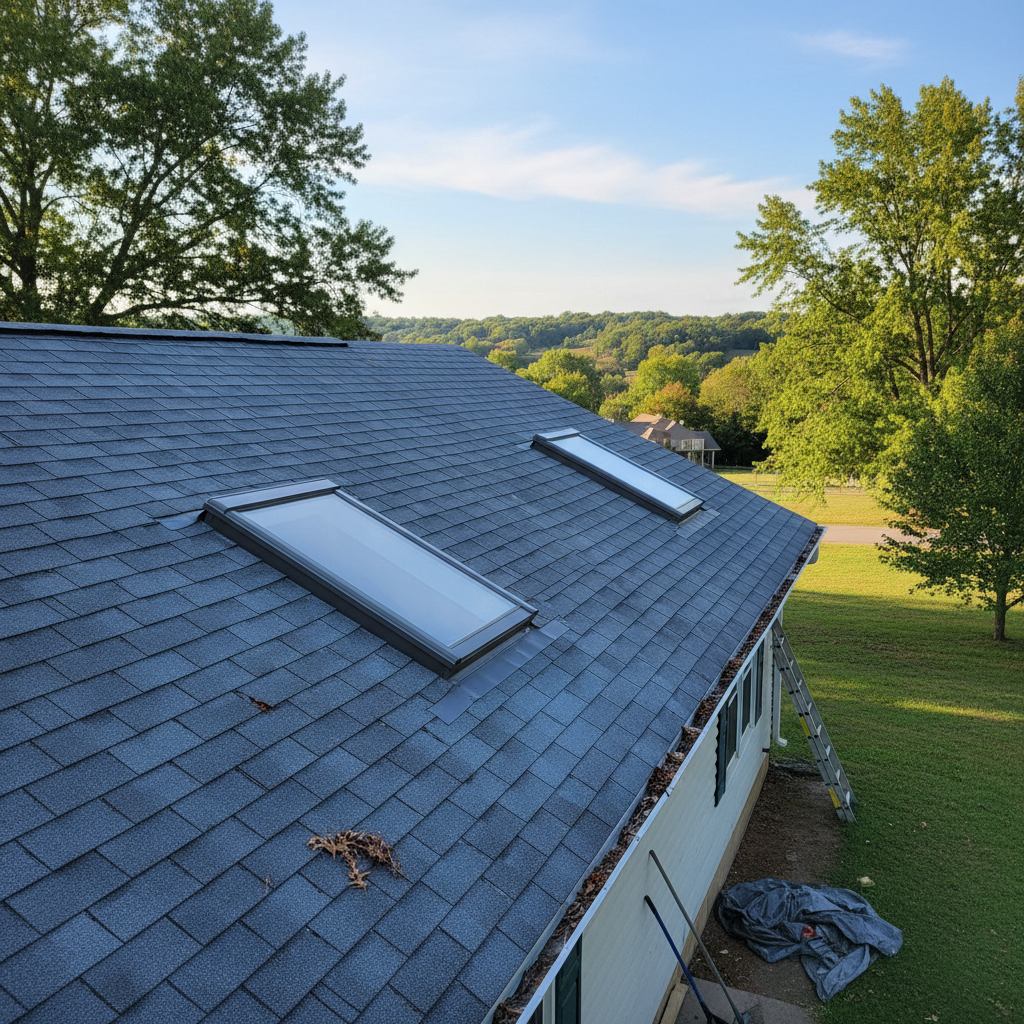
Ever looked up at a dark room and wished you had more natural light? A skylight can totally change the feel of a space, making it brighter, more open, and just plain nicer to be in. But before you start dreaming of sunbeams, you're probably wondering, "What's this going to cost me?"
As a contractor who's been doing this for a while here in Pittsburg, I've seen a lot of skylight jobs. From small, fixed units to big, ventilating ones, the price tag can vary quite a bit. There's no single answer, but I can give you a solid idea of what to expect and how to make sure you're not getting ripped off.
What Makes Skylight Prices Go Up (or Down)?
A few key things really drive the cost of a skylight installation. When I'm putting together a quote for a homeowner in, say, the Lakeside neighborhood, I'm looking at these factors:
- Type of Skylight: This is probably the biggest one. Are we talking about a fixed skylight, which is just a pane of glass that doesn't open? Those are the cheapest. Then you've got manual venting skylights, which you can crank open, and electric venting skylights, which open with a switch or remote. Electric ones are more convenient but cost more because of the motor and wiring. There are also tubular skylights (sun tunnels) that bring light through a reflective tube, which are usually on the lower end for materials but can have unique installation challenges.
- Size and Glazing: Bigger skylights mean more material and more labor. Simple as that. Also, the type of glass matters. Standard tempered glass is common, but you can get laminated glass for extra safety, low-E coatings for energy efficiency (which is a smart move with our Kansas summers and winters), or even self-cleaning glass. Each upgrade adds to the material cost.
- Roof Type and Condition: This is a biggie for labor. Is your roof asphalt shingle, metal, tile, or something else? Shingles are generally the easiest to work with. Metal roofs can be trickier, and tile roofs often require more specialized flashing and careful handling, which means more time and expertise. If your roof deck needs repairs or reinforcements around the opening, that's extra work.
- Location on the Roof: An easily accessible spot on a low-slope roof is going to be cheaper than a steep, high-pitched roof that requires extensive scaffolding or specialized safety equipment.
- Interior Finish Work: Once the skylight is in, you'll have an opening in your ceiling. Does that just need some drywall and paint, or are we talking about custom trim, light shafts, or even structural changes to accommodate the new opening? The more complex the interior finish, the higher the labor cost.
- Brand and Features: Just like anything else, some brands are more premium than others. Velux and Fakro are two of the big names you'll see. Features like integrated blinds, rain sensors for venting models, or smart home connectivity will also bump up the price.
Typical Cost Ranges for Skylight Installation in Pittsburg
Alright, let's get down to numbers. Keep in mind these are averages for a complete, professional installation, including the skylight unit, flashing, labor, and interior finish work (basic drywall and paint). These numbers assume a standard asphalt shingle roof and no major structural surprises.
- Fixed Skylight (Small to Medium, 2x2 to 2x4 feet): You're usually looking at a range of $1,500 to $3,000. This is your most budget-friendly option for adding light.
- Manual Venting Skylight (Medium, 2x4 to 3x4 feet): These typically run from $2,500 to $4,500. The ability to open it up for fresh air is a big plus for many folks.
- Electric Venting Skylight (Medium to Large, 2x4 to 4x4 feet): Expect to pay anywhere from $3,500 to $6,000+. The convenience of remote operation and features like rain sensors make these popular, but they come at a higher price due to the electrical work involved.
- Tubular Skylight (Sun Tunnel, 10-14 inches diameter): For a basic sun tunnel, you might pay $800 to $1,800. These are great for hallways, closets, or small bathrooms where a full skylight isn't practical or necessary.
Remember, these are ranges. If you've got a really steep roof, or you're asking for a massive custom skylight with all the bells and whistles, your costs could go higher. On the flip side, a very simple, small fixed unit on an easy-to-access roof might come in at the lower end.
What Should a Quote Include?
When you get a quote from me or any other reputable contractor, it should be clear and detailed. Here's what I always make sure to put in writing:
- Specific Skylight Model: Brand, type (fixed, venting), size, and glazing options.
- Flashing Kit: This is crucial for preventing leaks. It should be specific to your roof type.
- Labor Costs: Clearly broken down for installation, interior finish work, and any electrical work.
- Material Costs: For the skylight unit itself, flashing, lumber, drywall, insulation, paint, etc.
- Permits: In Pittsburg, you'll need a building permit for structural changes like adding a skylight. Your contractor should handle this and include the cost.
- Debris Removal: What happens to the old roofing materials and construction waste? Make sure it's included.
- Warranty Information: Both for the skylight unit itself (from the manufacturer) and for the installation work (from the contractor).
How to Avoid Overpaying for Your Skylight
Nobody wants to feel like they paid too much. Here's my advice for getting a fair deal:
- Get Multiple Quotes: This is the golden rule for any home improvement project. I always recommend getting at least three bids from different, reputable contractors. It helps you compare not just prices, but also what each company includes and their approach to the job.
- Be Specific About What You Want: The more details you can give your contractors upfront, the more accurate their quotes will be. If you just say